The Sensory Magic of Impasto Art

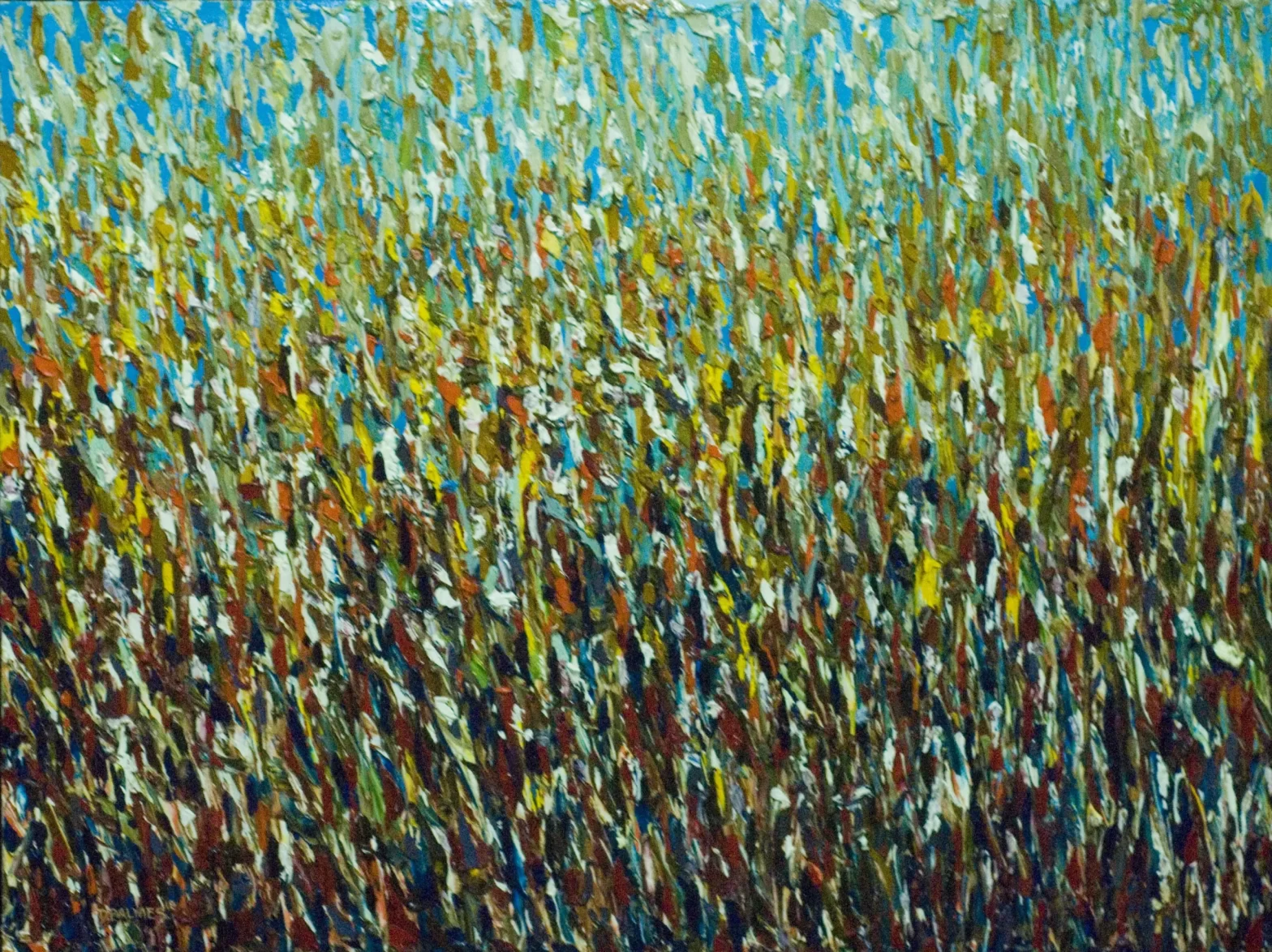
Impasto, a technique where paint is laid thickly on a surface to stand out from the canvas, offers a rich sensory experience beyond traditional painting methods. This technique, used by artists such as Vincent van Gogh, adds a tactile dimension to visual art, engaging viewers through sight and the implied sense of touch. The resulting texture and depth can evoke powerful emotional responses and transform how we perceive and interact with artwork. This article delves into the sensory experience of impasto art, exploring how touch, texture, and visual perception interplay to create a unique aesthetic encounter.
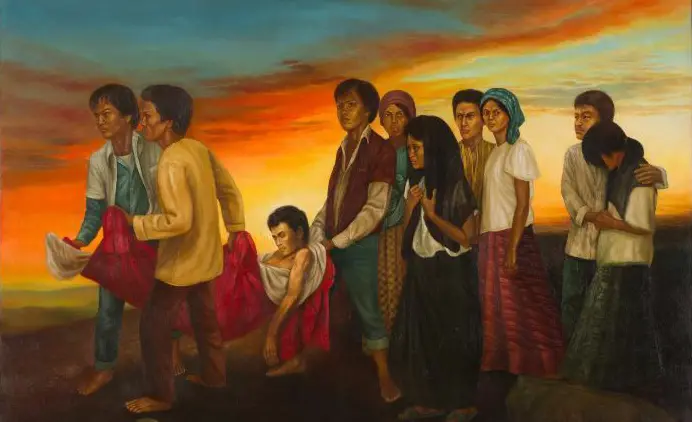
Social Realism in the Philippines: An Artistic Response to Societal Issues

Social realism in the Philippines is a powerful art movement that emerged as a response to the country’s social, political, and economic issues. This art style, characterized by its focus on depicting the struggles and realities of the common people, has played a significant role in Filipino art, especially during periods of political upheaval and social change.

From Galleries to Online Platforms: The Evolution of Art Distribution in the Philippines

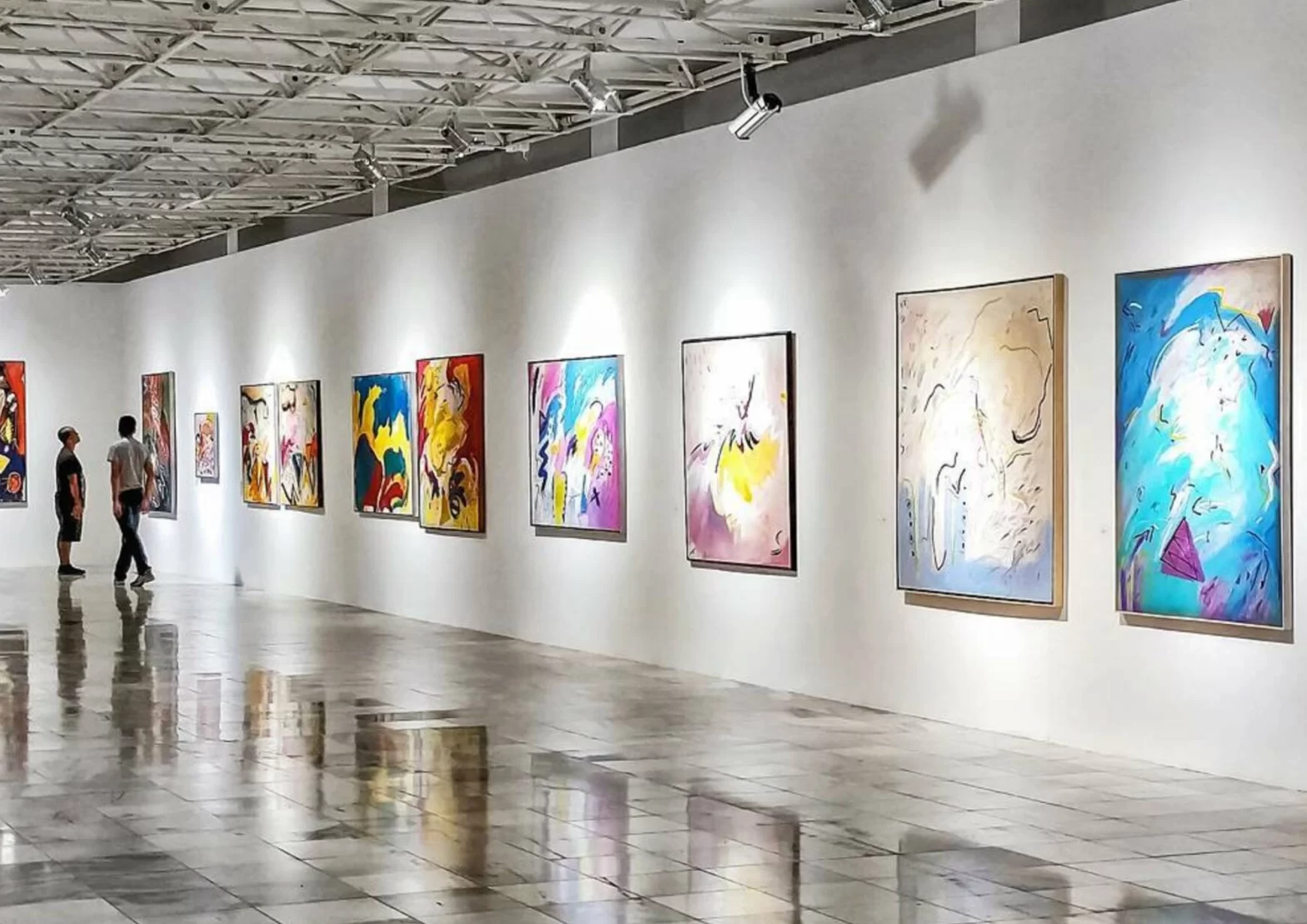
In the dynamic landscape of the Philippine art scene, the distribution and accessibility of artworks have undergone a significant transformation. Traditionally, art galleries served as the primary venues for showcasing and selling art, providing a physical space for artists to exhibit their works and for collectors to discover and acquire pieces. However, with the advent of digital technology and the rise of online platforms, how art is distributed and consumed has evolved. This article explores the evolution of art distribution in the Philippines, from traditional galleries to online platforms, and examines the impact of this shift on artists, collectors, and the broader art community.

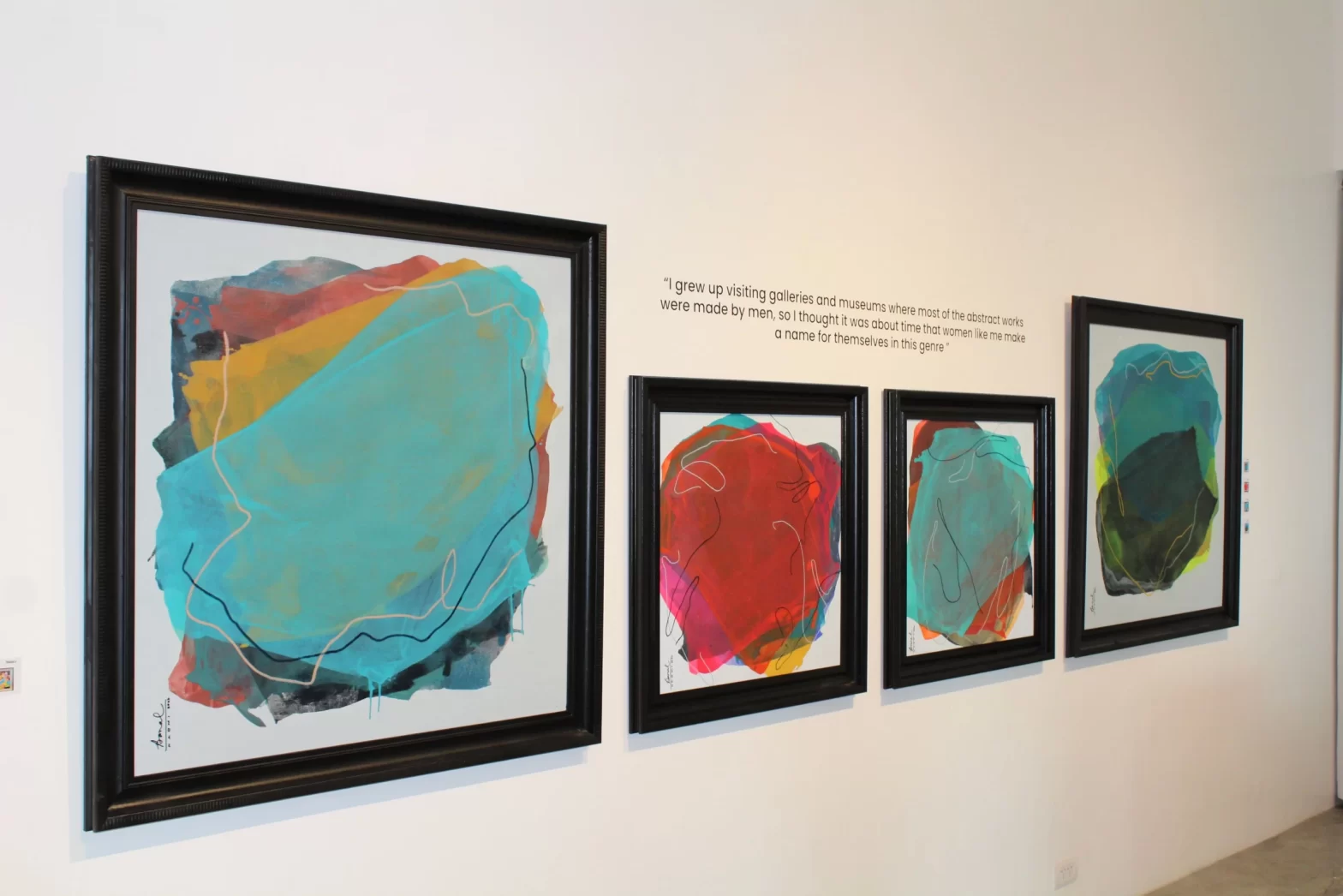
Filipino Women Redefining Abstract Artistry

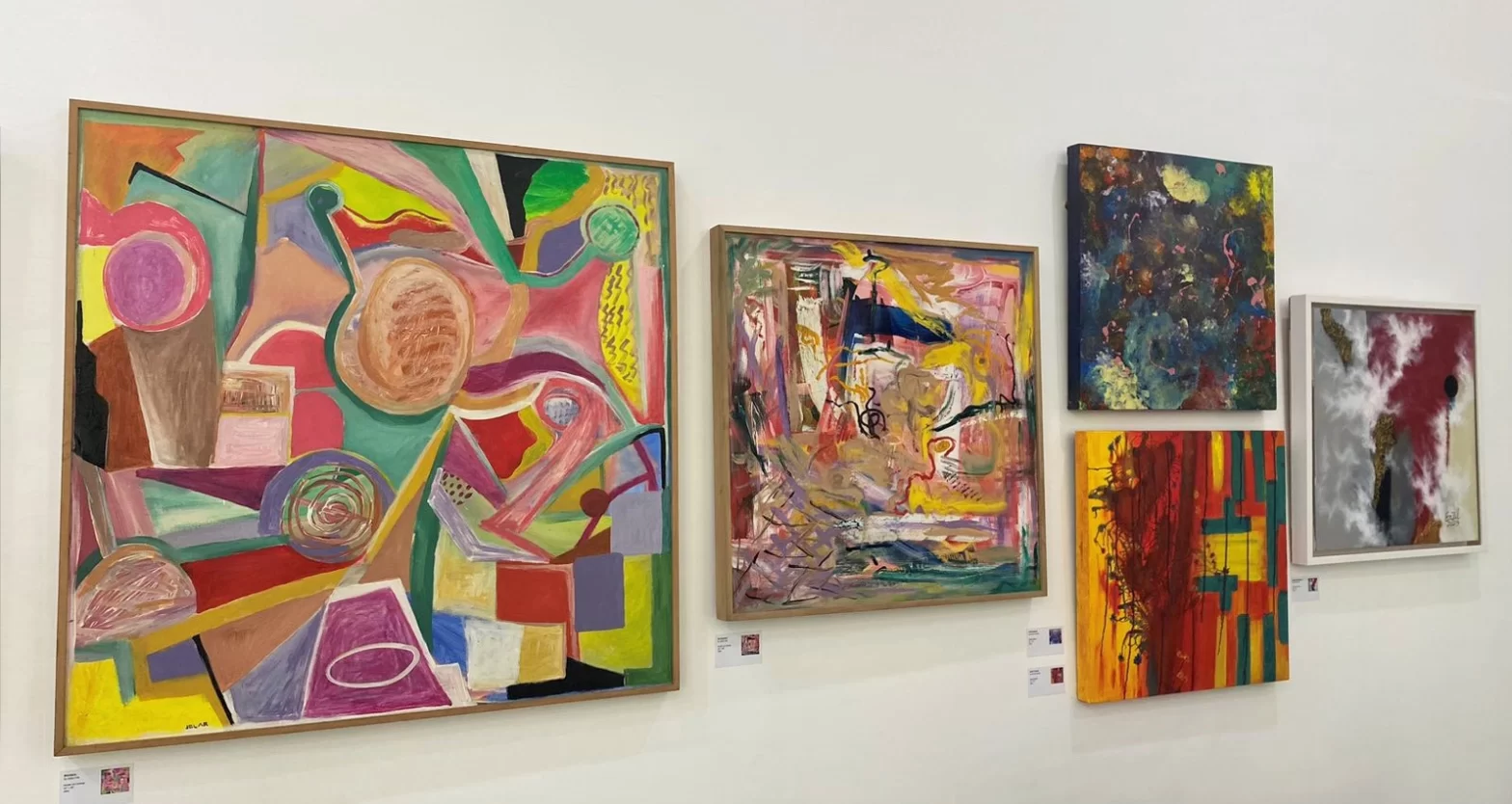
Abstract art, with its departure from representational forms and embrace of pure expression, has long been dominated by pioneering voices. In the Philippines, amidst a landscape shaped by diverse cultural influences and rich artistic traditions, Filipino women artists have emerged as trailblazers in abstract expressionism. Their contributions, often overlooked in mainstream narratives, have been instrumental in shaping the trajectory of abstract art within the Filipino context and beyond.

Unraveling the World of Filipino Abstract Artists

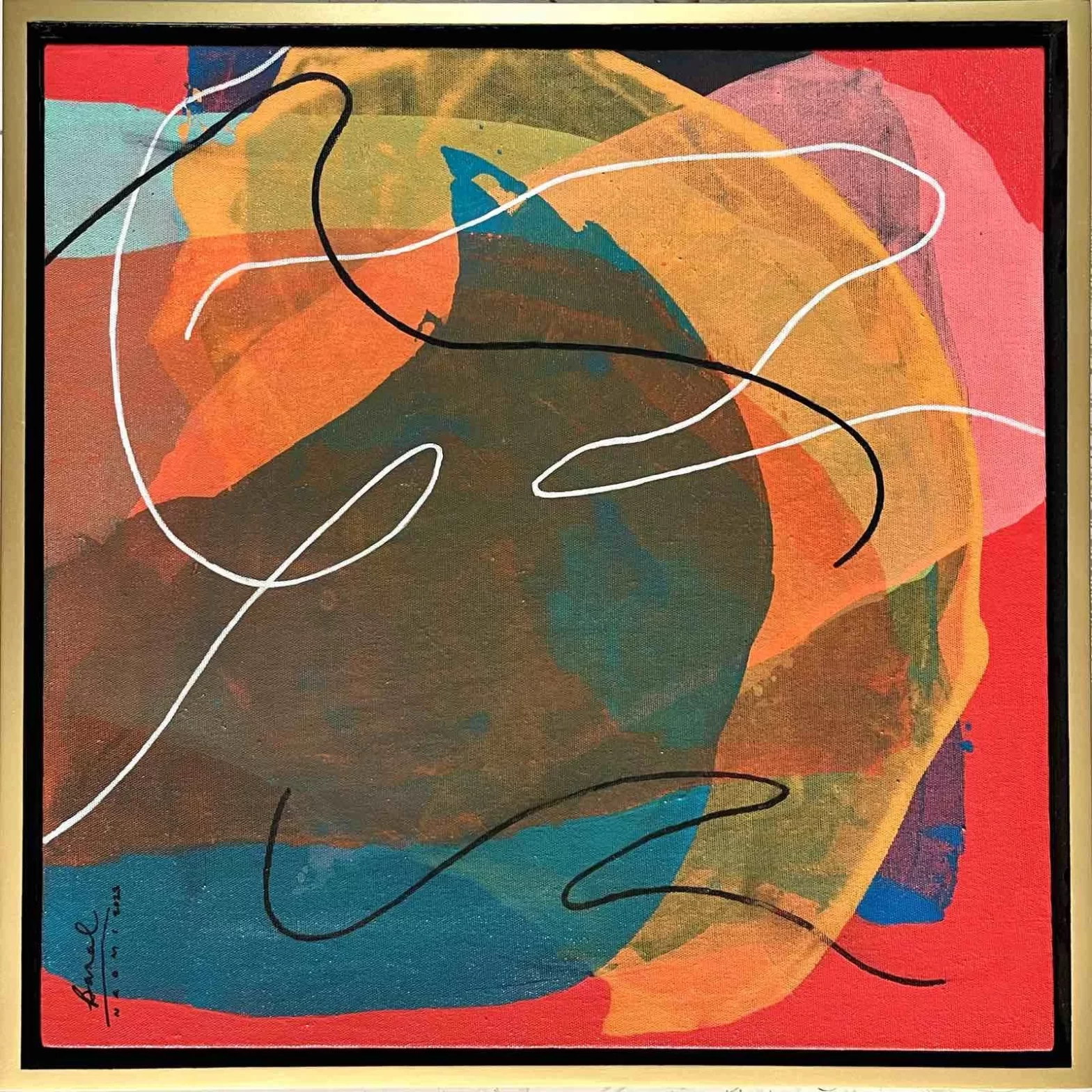
Filipino abstract art is a dynamic fusion of colors, forms, and symbols, reflecting the diverse cultural backdrop and individual perspectives of the artists. Setting out on a quest to decipher the visual lexicon employed by well-known Filipino abstract artists, including National Artists Hernando R. Ocampo and Arturo Luz, alongside modern visionaries like Nena Saguil and Ben Cabrera. By delving into their techniques, thematic explorations, and cultural influences, we unearth the layers of significance woven into their artworks, offering profound insights into Filipino identity and the broader artistic milieu.

The Influence of Filipino Art Collectors on the Secondary Market

In the dynamic landscape of the art world, collectors wield significant influence, shaping trends, prices, and the market’s overall direction. Filipino art collectors play a pivotal role in driving activity within the secondary market in the Philippines, where a rich cultural heritage meets a burgeoning contemporary art scene. Exploring the profound impact of Filipino art collectors on the secondary market, we delve into their motivations, preferences, and contributions to the broader art ecosystem.

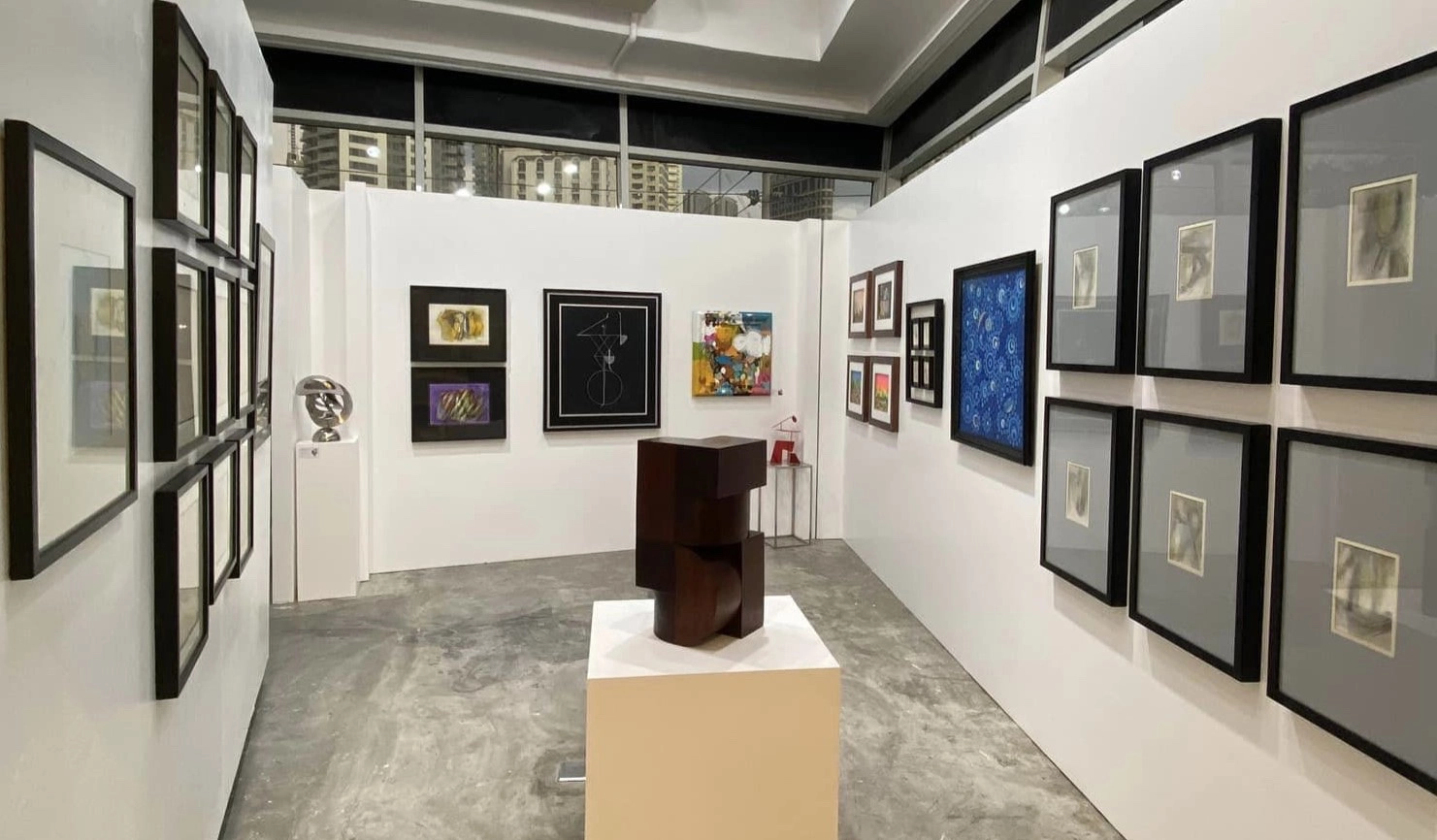
Unveiling the Dynamic Landscape of Abstract Art in the Philippines

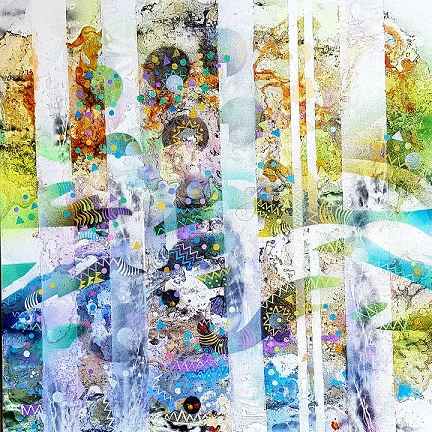
The complexity and historical evolution of abstract painting may perplex those unfamiliar with the art world, particularly new collectors. Abstract painting has undergone a significant transformation in the Philippines since facing resistance seven decades ago and being dismissed as lacking in skill. Today, it is a hallmark of modern Philippine culture, representing a defining characteristic of contemporary art.

Address

2A Lee Gardens,
Shaw Blvd. corner Lee St.
Mandaluyong City
Philippines 1552

Getting Here

Hours

We are open from Monday to Friday, 10 am to 6pm. Weekends by appointment only. We are closed on public holidays.

Contact Us

Send an Inquiry

+63917 894 5646
+63908 597 1051

thegallery@imahica.art