
Art Talks
Art and the City: Designing Environments for Dialogue and Community
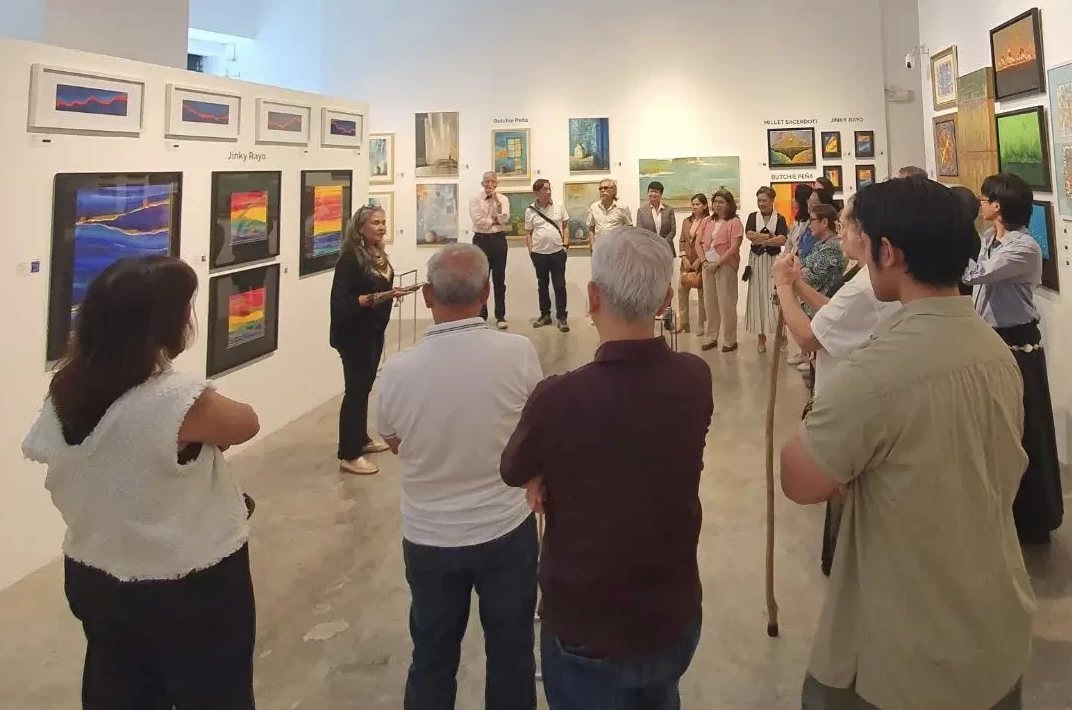
In the urban landscape, spaces are often defined by function: a place to work, a place to live, a place to shop. Yet, in vibrant cities across the globe, a profound transformation occurs when aesthetic disciplines like design, construction, and the curation of objects begin to collaborate. This collaboration moves beyond mere aesthetics; it fosters a cultural ecosystem that shapes community identity, invites public discussion, and embeds meaning into our shared environment.
Art Beyond Institutional Walls
While museums and galleries are essential engines of culture, the power of art is amplified when it moves closer to the rhythm of daily life.
Consider the dynamic interplay of a thoughtfully integrated public art piece, a communal area featuring commissioned local artwork, or a mixed-use development showcasing a rotating collection. These creative platforms convert purely functional zones into cultural landmarks. They serve as organic meeting points where the community, regardless of background, is gently invited to pause, reflect, and engage with creativity on its own terms. By integrating artistic platforms into built environments, developers and designers are establishing curated spaces that tell a neighborhood’s story, lending it unique identity and intellectual intrigue.
Anchoring Dialogue and Shared Memory
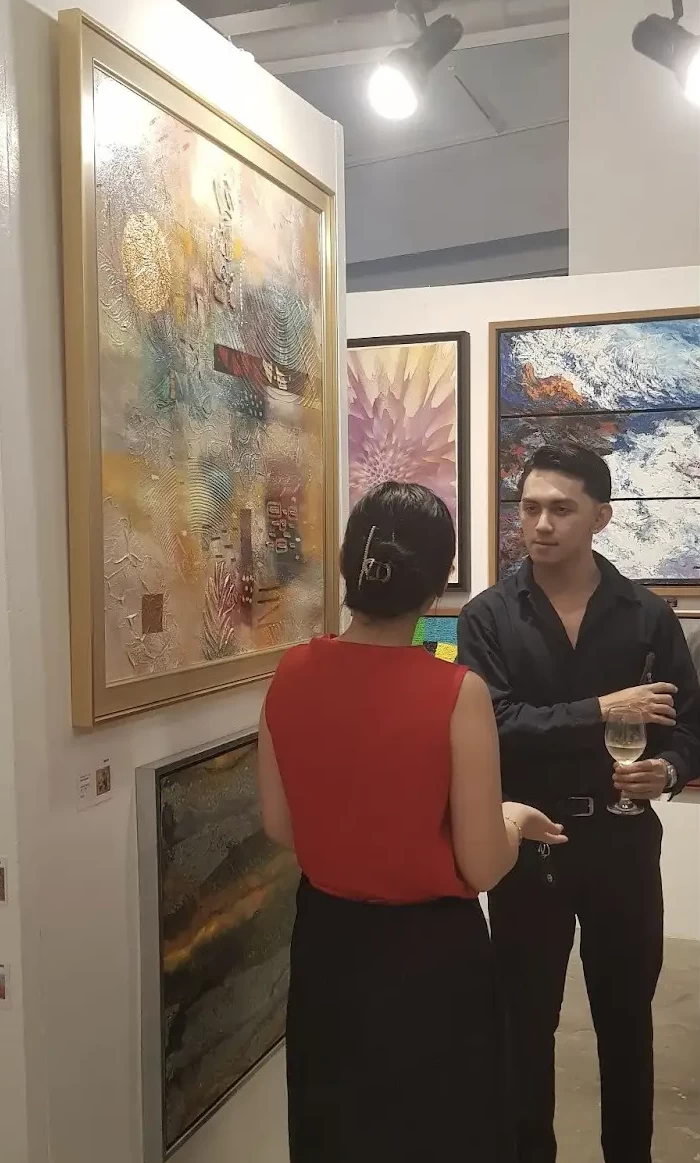
The true value of this intersection lies in its ability to generate dialogue. When a striking sculpture is placed in a public plaza or a thoughtful painting greets residents in their apartment lounge, these works become conversation starters. They interrupt the routine, compelling us to consider perspectives outside our own. Art, in this context, is not just decoration; it is an anchor for collective memory and community discussion.In spaces where people gather, art acts as the common denominator. It provides a focal point, setting a mood that encourages communication and reflection among patrons. The atmosphere created by these curated surroundings subtly supports a more expansive kind of social interaction, one rooted in shared aesthetic experience. Designed for both quiet contemplation and dynamic interaction, these cultural spaces offer an ideal setting for gatherings and special community events, enhancing connections between art, people, and place.
The Filipino Context: Bridging Urban Density and Cultural Access
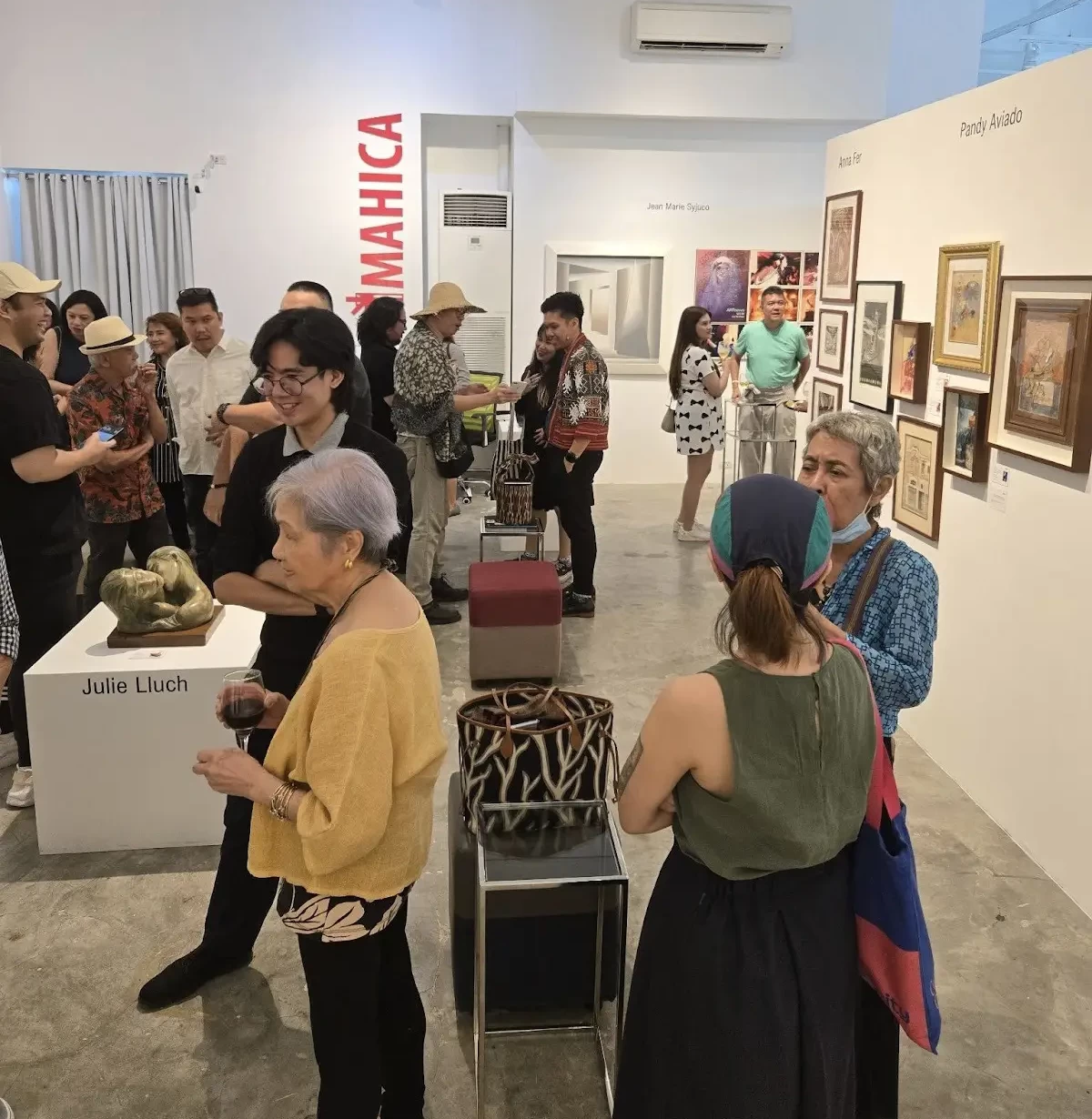
The need for these hybrid cultural zones is acutely felt in the Philippines, where rapid urban development often concentrates activity and limits sprawling public space. A gallery space nestled within a high-density mixed-use building, or a chic community hub that regularly features local creators, becomes more than just a venue, it becomes a critical access point.
These essential encounters provide direct contact with the work of Filipino artists. This expanded visibility directly benefits the local arts economy and elevates the perceived and actual value of the surrounding properties. By weaving local talent into the very fabric of residential, commercial, and hospitality spaces, we actively support the growth of the community’s creative class while simultaneously enhancing the daily lives of residents and visitors.
Art as a Shared Way of Life
Ultimately, when cities embrace art proactively, they do more than simply beautify an environment. They cultivate a sense of place. Art woven into our shared streets, workplaces, and homes provides a tangible connection to the human condition. It provokes thought, nurtures emotional connection, and strengthens the cultural foundations of a community. In these thoughtfully designed environments, art transcends its status as an isolated event and becomes an inseparable, organic part of life itself.
